
Pingelap Atoll is Known as the Island of the Colorblind
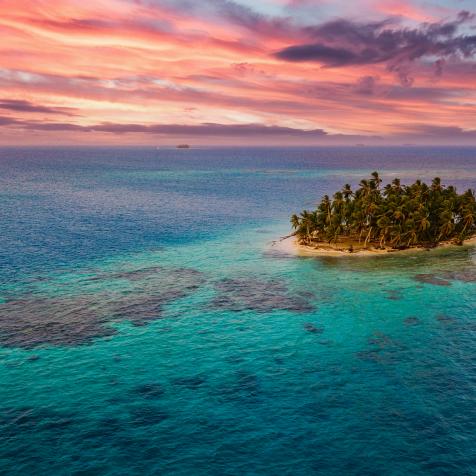
There's a place where colorblindness runs so rampant that it's known as the Island of the Colorblind. Learn more about the island where its inhabitants see in almost entirely black and white.
A lot of people are colorblind — including some very famous color enthusiasts — and in fact, very few of us have perfect color vision. But there's a place where colorblindness runs so rampant that it's known as the Island of the Colorblind. And it's not the red-green blindness that's most common on the mainland. The island's inhabitants see in almost entirely black and white.
Achromatopsia Island
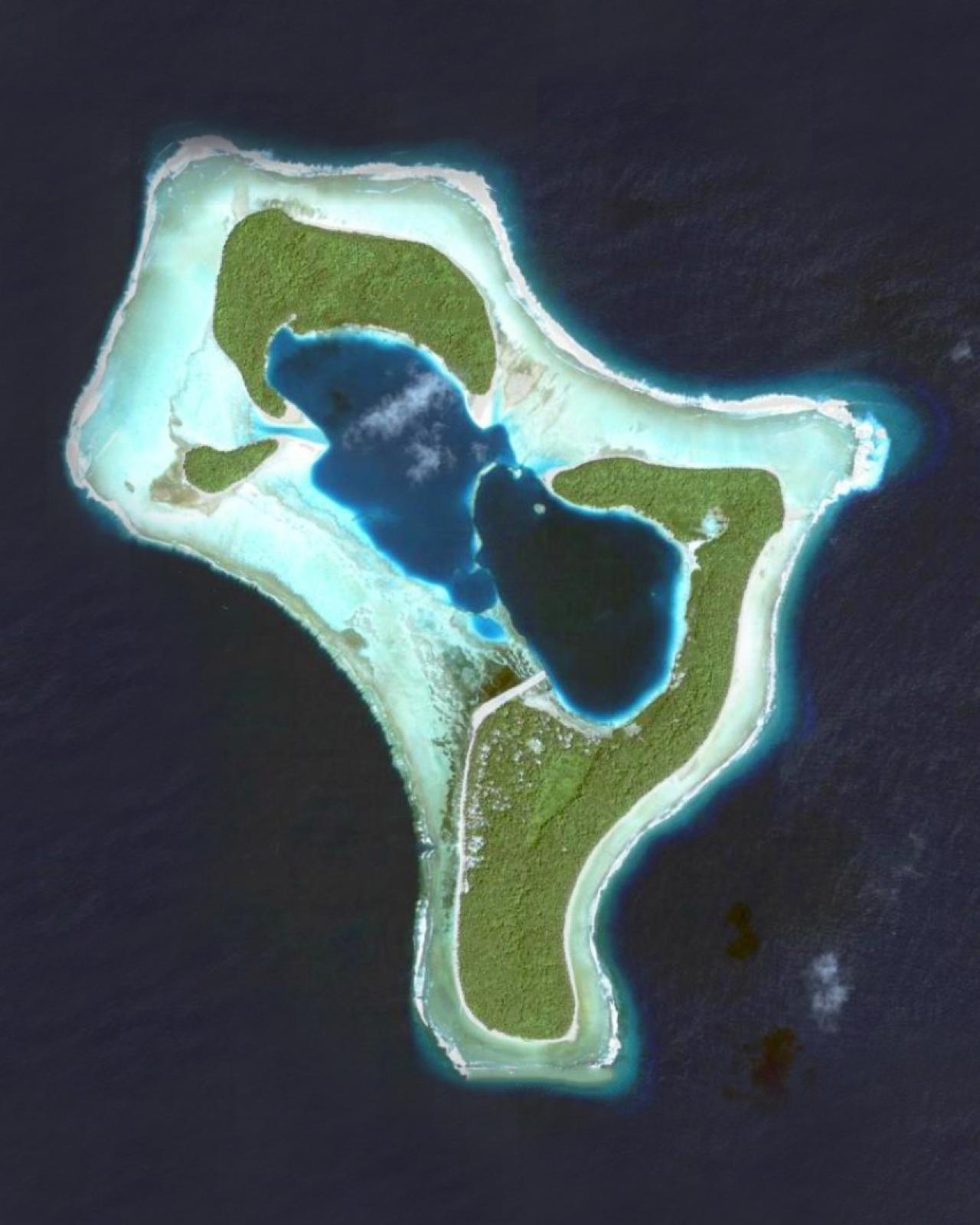
Pingelap Atoll made its first impression in the mainstream media in 1996 with the book by Oliver Sacks that lent it a nickname: "The Island of the Colorblind." It lives up to the name. While red-green colorblindness isn't especially uncommon (at least among some people — about 8 percent of men have it, while only 0.5 percent of women do), on Pingelap Atoll, about 10 percent of the population has the much rarer condition known as achromatopsia. Elsewhere in the world, the condition only affects about 1 in 30,000 people.
So how did this place come to be? This isn't an evolutionary adaptation to gain some sort of advantage from the environment. Instead, it's almost a fluke. This endemic achromatopsia dates back to 1775 when a typhoon devastated the atoll and left only a few survivors behind. One of those survivors — the king, according to the oral tradition — had the condition, and passed it on quite liberally as the people repopulated the islands. Fast forward a couple of centuries, and achromatopsia on Pingelap Atoll is about as common as left-handedness is on the mainland.
You may have heard of how color vision works thanks to the three types of cone cells in your eye — some are sensitive to red, some to green, and some to blue. Achromatopsia happens because none of the cones function properly, leaving only the brightness-sensitive rod cells to do all the work. Rods only detect the intensity of light, so they can only perceive in grayscale. But there's another side effect, as well. People with achromatopsia also tend to be very sensitive to bright light, which can make daily chores on a sunny island unbearable. The upside is that achromatopsia comes with excellent dark vision, which is handy for another island tradition: catching flying fish by night using a bright fire suspended from a boat.

Color Me Intrigued
Belgian photographer Sanne De Wilde recently paid a visit to Pingelap Atoll, hoping to document how this extreme colorblindness (which is called "maskun," or "not-see," on the island) shapes the way the residents see the world. It's easy to tell which of the people have it, she told Wired, because they blink and squint constantly. But one thing that she was surprised to learn was that many achromatopes claim to see some very slight variations of some colors: blues and reds specifically. Thus, her project (also called "The Island of the Colorblind") was born.
In this series, she photographed scenes and citizens on the island in several different ways. Many of her pictures depict the world in stark black and white, while for other images she used infrared settings to distort and subdue certain wavelengths. And then there are the pictures that she had colored in. Back in an art installation at her Amsterdam studio, she displayed several of the black-and-white photos under special conditions to simulate colorblindness. Visitors were then invited to color in those images using watercolors, even though the lighting made them unable to actually see what colors they had been using. Only later, under normal lighting conditions, were they able to see the colorful artworks that they had helped to create. De Wilde's goal is to make people reconsider their relationship with color and try to understand what a color actually is outside of how it's experienced.
This article first appeared on Curiosity.com. Click here to read the original article.